The pathway
Nine squads from Bronze 1 to Performance, aligned with Swim England's Athlete Development Support Pathway. Swimmers progress when they are ready; the pathway is not a rigid ladder.
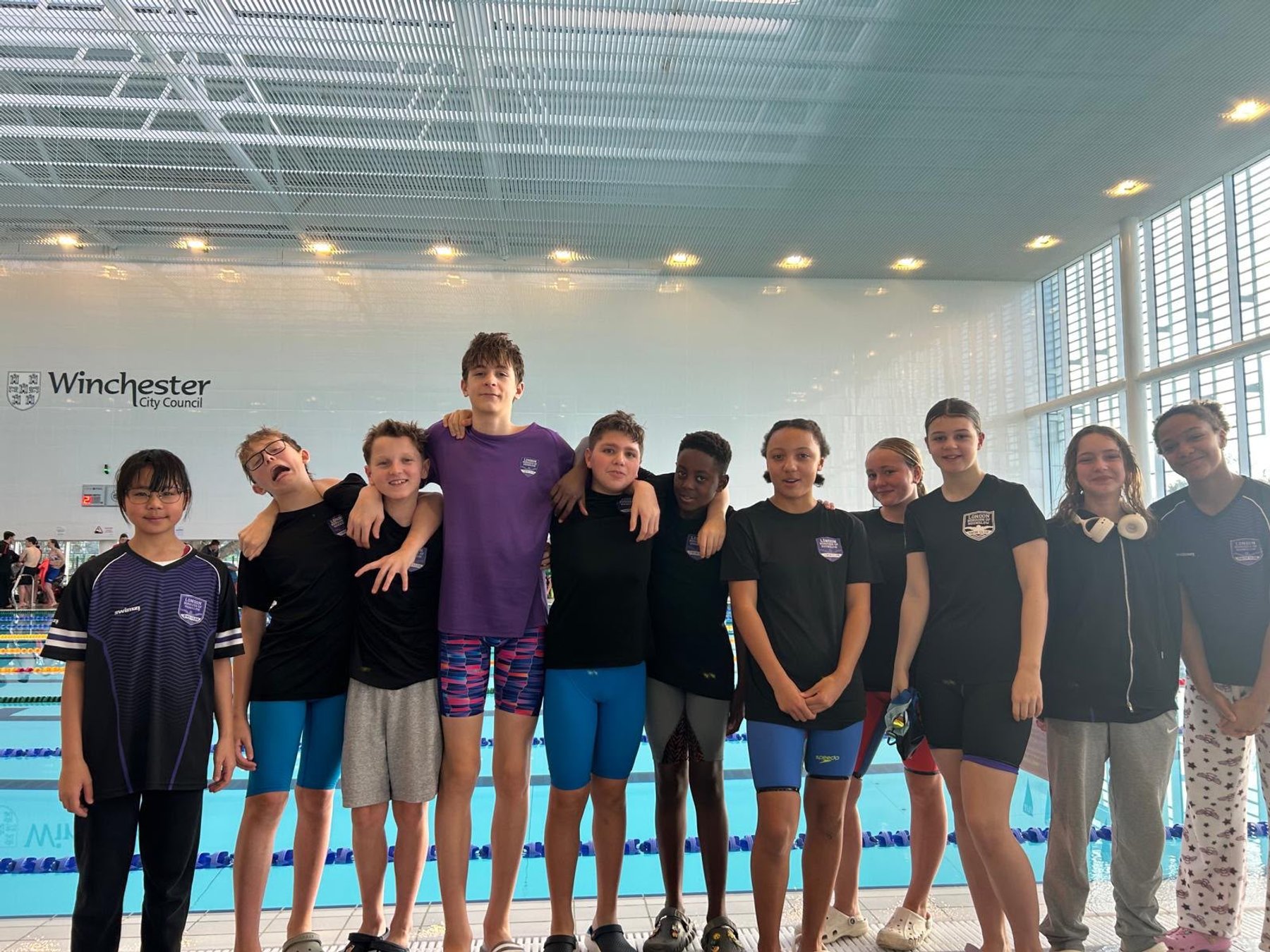
Our development and competitive programmes support every swimmer on their own individual journey. Coaching here is person-centred: every swimmer is different, and we provide the support, coaching and opportunities each one needs to progress.
Nine squads from Bronze 1 to Performance, aligned with Swim England's Athlete Development Support Pathway. Swimmers progress when they are ready; the pathway is not a rigid ladder.
Enquire, take a free trial with a coach assessment, and get placed in the right squad. There is no fixed entry test.
Isleworth Leisure Centre is the main pool, with squad sessions also at Heston and Oaklands School.
From £48 per month. Every squad has a £40 annual joining fee.
Send the swimmer's name, age and current ability.
The swimmer joins a session as a free trial. Squad trials run on Monday and Wednesday evenings at 7pm at Isleworth. Coaches assess technique, confidence and readiness. There is nothing to pay.
The coaching team recommends the right starting point for the swimmer's stage and development.
We confirm the joining steps, session expectations and any forms needed before swimming starts.
Bronze 1 £48, Bronze £55, Silver £69, Gold £75, Youth Development £75, Platinum £83, Platinum Plus £90, County A, County B and Performance £98 per month. All squad annual joining fees are £40. If cost is a barrier, contact the club in confidence. If you decide to leave, please give at least one calendar month's notice in writing to treasurer@lbhsc.org.uk.
Give swimmers aged 7–9 an entry into the swim club environment and build foundational and wider swim-specific skills that support progression through the squad programme.
Junior Development Squad swimmers aged 7–9 entering the swim club environment.
One-hour sessions three times weekly.
Foundational swimming skills and wider swim-specific skills, based on Swim England's FUNdamentals framework.
This stage forms a basis for progression through the squad programmes.
Learn strong technical foundations and refine swimming skills.
Junior Development Squad swimmers aged 7–9 who have progressed from Bronze.
One-hour sessions three times weekly.
Effective stroke technique, starts, turns and streamlining for racing, alongside confidence, consistency, enjoyment in training and good habits.
Skill development and good habits provide a strong foundation for future progression.
Develop strong technical foundations and refine swimming skills further within the Learning to Train Aquatic Skills framework.
Junior Development Squad swimmers aged 8–11 who have progressed from Silver.
One-hour sessions three times weekly, with a warm-up routine before the session.
Effective stroke technique, starts, turns, streamlining and race skills; confidence, consistency, enjoyment in training and good habits. Swimmers have the opportunity to attend one term of Hounslow Lifesavers’ Rookie Lifeguard Programme.
Swimmers are invited to entry-level competitions from age 8. Skill development and good habits provide a foundation for future progression.
Develop the application of swimming skills and race skills within the Learning to Train Aquatic Skills framework.
Junior Development Squad swimmers aged 8–11 who have progressed from Gold.
One-hour sessions four times weekly, with a warm-up routine before the session.
Effective stroke technique, starts, turns, streamlining and race skills, alongside confidence, consistency, enjoyment and good habits. Swimmers have the opportunity to attend one term of Hounslow Lifesavers’ Rookie Lifeguard Programme.
Swimmers are invited to club-level open galas from age 9. Skill development and good habits remain the focus.
Build on Platinum swimming skills and race tactics within the Learning to Train Aquatic Skills framework.
Junior Development Squad swimmers aged 9–11 who have progressed from Platinum.
One-hour sessions four times weekly, with a warm-up routine before the session; two sessions each week are with County B.
Knowledge and application of effective stroke technique, starts, turns, streamlining and race skills and tactics, alongside confidence, consistency, enjoyment and good habits.
Swimmers are expected to enter club-level open galas throughout the swimming calendar from age 9.
Offer fitness training in a structured, progressive squad setting without the commitment of higher-level training loads.
Swimmers aged 12+ who want a structured fitness route without higher-level training loads, and have not yet reached the club’s county-level competition standard.
One to one-and-a-half-hour sessions four times weekly, with a warm-up routine before the session.
Fitness through structured training. Sessions follow Swim England’s Learning to Train framework. Swimmers have the opportunity to attend one term of Hounslow Lifesavers’ Rookie Lifeguard Programme.
This is a structured, progressive fitness route for swimmers who have not yet reached the club’s county-level competition standard.
Training to Train: build on technical foundations and develop the physical fitness needed for competitive swimming.
Junior Development competitive swimmers aged 10–16 who are aiming for or have competed at County Championships.
Nine and a half hours of pool training and three hours of training outside the pool: yoga, calisthenics, strength and conditioning, plus a warm-up routine before the session.
Technique, skills and individual development through more structured, progressively challenging training. Swimmers build positive training habits, resilience, independence, accountability and an understanding of how to train effectively.
Swimmers commit to the training schedule and competitions throughout the swimming calendar. Progression is based on individual development, not automatic promotion.
Training to Train: improve technical foundations and build the physical fitness needed for competitive swimming.
Age-group and youth competitive swimmers aged 11–16 who have competed at County or Regional Championships.
Ten and a half hours of pool sessions plus three one-hour sessions of training outside the pool: yoga, calisthenics, strength and conditioning, across mornings or evenings. Swimmers are expected to do a warm-up routine before the session, with or without resistance bands, and stretch independently after the session.
Technical foundations, fitness, technique, skills, emotional wellbeing, positive training habits, resilience, independence, accountability and an understanding of how training affects competition outcomes.
Swimmers progress across events and distances, aiming to achieve a top-eight final ranking in their age category. They commit to the training schedule and competitions throughout the swimming calendar; progression is not automatic.
Training to Compete: bring technical skills, fitness, race preparation and competition experience together as swimmers progress toward higher performance and senior national performance programmes.
Youth competitive swimmers aged 15–19 who have competed at County or Regional Championships across a range of events, placed in the top three of their age-category final rankings, and qualified for and competed at National Championships.
Eleven and a half hours of pool sessions plus three one-hour sessions of training outside the pool: yoga, calisthenics, strength and conditioning, across mornings or evenings. Swimmers are expected to do a warm-up routine before the session, with or without resistance bands, and stretch independently after the session.
The ability to train with purpose, prepare for competition and perform consistently, while developing as independent and resilient athletes.
The pathway supports transition to National Performance Programmes as senior athletes within Swim England’s Training to Win pathway. Swimmers commit to the training schedule and competitions throughout the swimming calendar.
No. Tell LBHSC the swimmer’s age, current ability and previous experience. A coach can assess the swimmer and recommend the most suitable starting point.
Start with an enquiry, then take a free trial. A coach assesses the swimmer and recommends a suitable squad placement before LBHSC confirms registration details.
There is no fixed entry test. Enquire with the swimmer’s age and current ability, and a coach will assess and recommend the right starting point at a free trial.
Tell us the swimmer's name, age and current ability. We will arrange a free trial and place them in the right group, then confirm registration, fees and payment. If cost is a barrier, contact the club in confidence.